Introduction
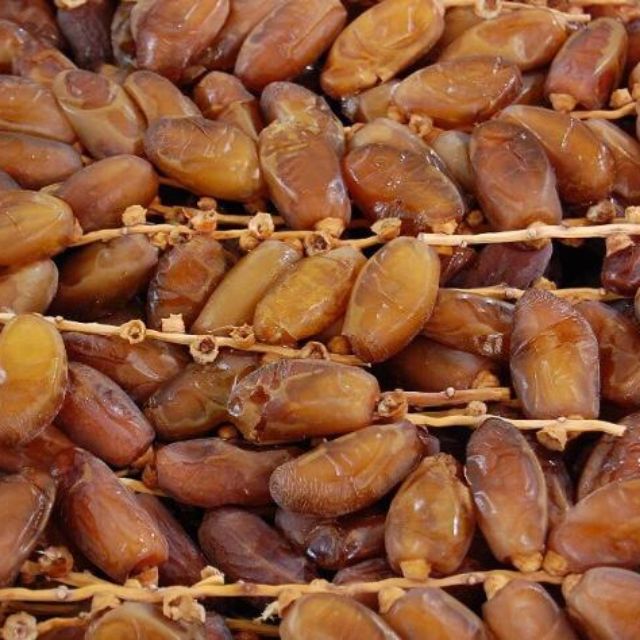
Kurma Tunisia is one of the most respected dates in the world. Grown in Tunisia’s sun-drenched oases, these amber-coloured dates are more than a sweet snack — they’re part of Tunisian heritage and a real slice of the national economy. This article traces the journey of Kurma Tunisia, from its history to how it’s grown, used in cooking, and valued today.
A history that runs deep
Tunisia dates are bound up with the country’s own history. Date palms have grown in North Africa for millennia, and Tunisia’s climate made it a natural centre for production. These dates carry a lineage stretching back centuries, refined generation after generation. They were once a valuable commodity along ancient trade routes, prized for their sweetness, nutrition, and their ability to survive long journeys. They played a real part in trans-Saharan trade, feeding travellers and merchants, and cementing their place in Tunisian culture as a symbol of hospitality.
The oasis: how the dates are grown
The quality of Tunisia dates comes down to a specific mix of climate, soil, and growing method. Date palms thrive in hot, dry heat with plenty of sun and access to groundwater. Tunisia’s oases, with underground water and fertile soil, give the trees exactly what they need. Growing them takes patience and know-how — from planting offshoots, to hand pollination, to careful pruning at every stage. Tunisia grows several varieties, including Deglet Noor, known for its translucent gold colour and delicate sweetness, and Medjool, a larger, softer date with a richer flavour. Each variety brings something different to the table.
From palm to plate: harvest and processing
Harvest season is a busy, celebratory time. Skilled workers climb the tall palms and hand-pick the ripe bunches — a traditional method that keeps only the best dates. Once picked, the dates go through cleaning, sorting by grade, and curing. Curing methods vary, from sun-drying to controlled humidity chambers, and each gives the final date a slightly different texture and flavour. Quality control runs through every stage of the process.
A culinary staple
Tunisia dates are woven into local cooking. Eaten on their own as a snack, used as a natural sweetener, or offered as a gesture of hospitality, they also turn up in sweet and savoury dishes alike. In makroudh, a semolina pastry filled with dates and nuts, or in a slow-cooked tajine where dates add sweetness to the dish, they bring real depth of flavour. They’re also used in salads, couscous, and even as a stuffing for poultry.
What’s in a date
Tunisia dates are naturally sweet and carry a good mix of fibre, vitamins, minerals, and antioxidants. Their fibre content supports digestion. As a daily snack, they offer natural energy without added sugar.
Beyond the fruit: byproducts and sustainability
The date palm gives more than fruit. Fronds are woven into baskets, mats, and other traditional crafts. Date pits are ground into flour or used as animal feed. Sap tapped from the palm is turned into a sweet syrup. Tunisian growers are increasingly adopting sustainable practices — water conservation and organic methods — to keep the palm groves and surrounding land healthy for the long run.
Kurma Tunisia on the world stage
Tunisia dates are sought after internationally for their quality and flavour, and exported worldwide as a premium item. Staying competitive in that global market is a constant push — Tunisian producers keep investing in modern processing and packaging to meet international standards.
Looking to compare against other premium dates? See our guide to Medjool dates from Palestine, or read up on the benefits of buying kurma wholesale.
What’s next for Kurma Tunisia
The outlook for Tunisia dates is positive, with ongoing work to improve palm varieties, refine processing, and find new uses for byproducts. The industry does face real challenges, including climate change affecting water supply and growing conditions. Sustainable farming and responsible resource management will matter for keeping Tunisia’s date groves productive long-term.
Conclusion
Kurma Tunisia is more than a fruit — it’s a symbol of Tunisian heritage, the product of centuries of farming tradition, and a genuine economic asset. Its history, culinary range, and nutrition keep it in demand worldwide. For current wholesale pricing on premium dates like these, check our Green Diamond wholesale pricing guide.